立春過ぎに到来の今季最大の寒波に震えながら、教材研究と教材の執筆。
その合間に録画してあった「キャンディーズ」のドキュメンタリーを観ていました。
- 罠にかかった うさぎみたい
のところで、美樹ちゃんがセンターに来るところで落涙。(ファンなら、その件でemotinalになるのを分かってくれると思います)
その後は、棚からベスト盤を引っ張り出しBGMに。
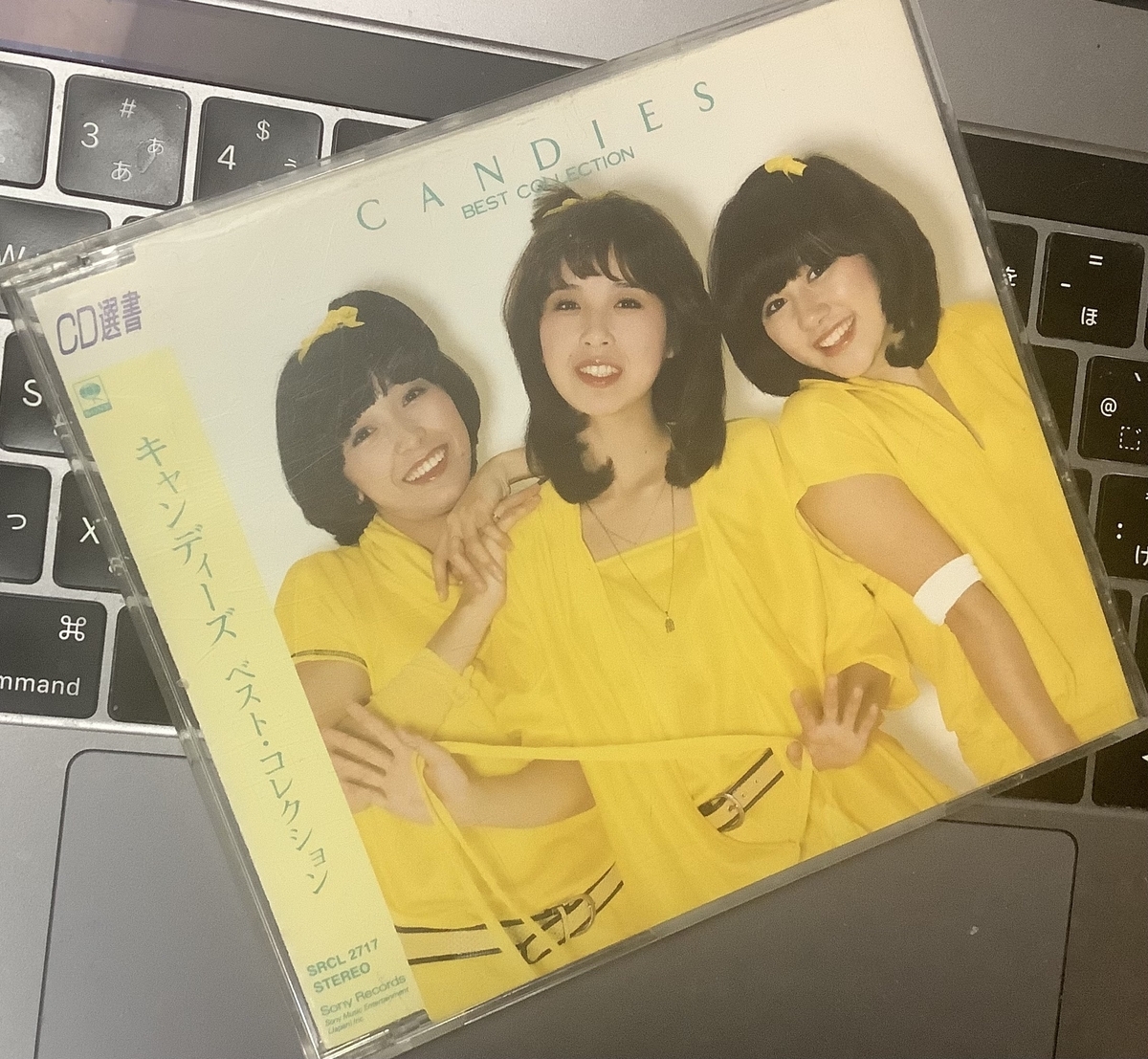
懐古と充電の後、更なる執筆も捗りました。
さあ、出講先の今年度の残り授業も少なくなり、最後のテストに備える時期です。
横並びでコマを持つ先生方と、指導内容や英語に関する知見を共有できる環境に感謝。
今回は、接続詞扱いのnow (that) を空所補充や整序で出すのは慎重に、という話をしました。
ということで、今日の「気になる語法」も、その
- 接続詞扱いの now (that) の生息域
です。

Wisdom英和でもG6でも、Nowに続くthatが省略されることの注記・指摘がありますから、空所補充でthatを求めるのは論外で、整序作文で並べ替えるべき語群の中にthatを入れることも望ましくないでしょう。
指導評価の前提として、この辺りに無頓着な指導者、出題者が多すぎるように思います。
私の指導でいつも強調しているのが、
(△) Now that ① , ②.
のような①②のコントラストでは不十分で、
(○) A. Now that B, C.
と、Now thatの前提まで捉えておくのが必須で、 できれば
(◎) A. Now that B, C. (And/But D.)
のように、そのさらに先 の展開を視野に入れておくのが吉、 ということ。
A. Now (that) B, C . の生息域での、典型例としては次のような状況が想定できます。
・Aが現在に至る時系列でのネガティブな内容・状況の提示・指摘
・Bで事実の変化(過去形または現在完了形またはbe + overなど)
・CではAの否定、改善、満足できる(はずの)新たな状況が示される
COCA系での実例から。アカデミックな文体です。
“When you were really poor,” she impatiently reminded me, “you spoke in a language and lived a life we couldn't possibly understand in the academy. Now that you have learned to speak Academese, you are no longer one of the poor.”
「本当に貧しかった頃は」と彼女は苛立たしげに私に思い出させた。「あなたは私たちが学問の世界では到底理解できない言葉を話し、生活をしていました。でも、今やあなたは、アカデミー語を話せるようになったのですから、もはや貧しい人の仲間ではないんですよ。」
A, B, C の状況が明確ですね。
ここで示したのはネガティブな状況からの卒業でしたが、その逆もあります。Wisdom英和から。
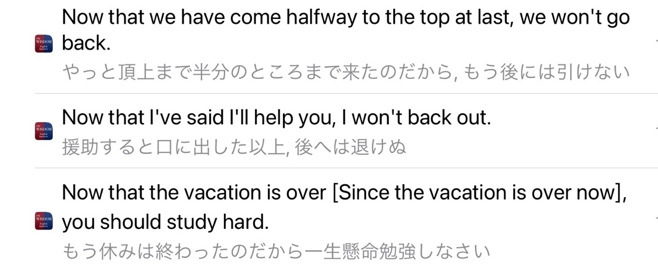
辞書の用例の多くが、上述の状況Aに当たる、「前段階」が明示されないものです。
1例目の前段階は「中止も仕切り直しも簡単な状況」、2例目の前段階は「関わらずに人ごとで気楽な状況」、3例目の前段階は「のほほんと気楽な日々」が前提として存在する、というところこそが、この接続詞nowの肝だと考えています。
O-LEX英和に収録の次の二つの用例では、Nowに続く従属節の内容はほぼ同じですが、主節の内容は対照的です。
Now that you've come of age, you have the freedom to act as you choose.
君ももう成年に達したのだから,自分の好きなように行動する自由がある
Now (that) you are grown up, you have to decide on your own.
もう大人なんだから自分で決めなくては
前段階の状況Aはないけれども、その次の展開としての状況Dが示される、という辞書の用例もあるにはあります。次の用例は、『研究社和英大辞典』より。
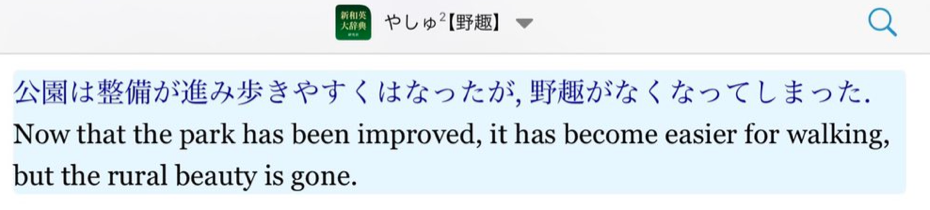
こういう例がもっと、辞書や教材で増えてほしいとは思うのですが、紙の辞書では難しいでしょうね。
前段階となる状況Aが明示されない、というのは入試での空所補充完成や整序完成など、一文を完成せる問題でもほぼ同様です。
Now that my health has improved, I am ready to go back to university.
健康が回復したので、大学に戻る準備ができました。
高速料金が値下げされたので、新幹線で行くより車で行く方がかなり安くつくことになる。
Now that expressway tolls are reduced, it has turned out to be much cheaper to travel by car than by the bullet train.
君も大学生になったのだから、親から自立することを考えてもいいよ。
Now that you’re a college student, it’s time about you thought about becoming independent of your parents.
あの先生がすでに固い決心をしてしまった以上、私たちは黙っているしかない。
Now that the teacher has shown a fixed determination, there is nothing for us to do but keep silent.
この最後の例などは、「前段階」が不明なために、殆ど情報価値のない文となっていることが分かるでしょう。
接続詞nowの状況の変化で、上述の、ABCそれぞれの状況が明確な用例で学習しておくのが吉、というか「必須」だと思っています。
・状況が改善してハッピーになる例
・お気楽な状況が一変して、何か努力して達成を迫られる必然性が生じる例
の両方を見ておくと後々随分楽ではないかと。
I have been very busy as usual, but now that my school exams have finished, I finally have time to write to you.
私はいつも通りとても忙しかったのですが、学校の試験が終わったので、やっとあなたに手紙を書く時間ができました。
状況改善で余裕が生じる例ですね。
And now that my season for tennis tournaments is practically over, I’ve really got to devote all my energy to writing my papers, especially the one for World Economics.
楽しい期間は終了、努力の必然性。
ということで、生成系AIのClaudeに典型的な用例を作ってもらいました。
I'll create examples of "Now (that)" showing both positive transformations and situations where new responsibilities or challenges arise. Each example will clearly show the A-B-C structure.
Positive Transformations:
1. "I used to struggle with every report deadline. Now that I've learned to use productivity tools, I can finally enjoy my weekends without work stress."
(以前はすべてのレポートの締め切りに苦労していました。今では生産性向上ツールを使うことを覚えたので、仕事のストレスなしで週末を楽しむことができるようになりました。)
(A: negative past of missing deadlines
B: learned new skills
C: positive outcome of work-life balance)2. "My son couldn't make friends at his old school. Now that he's joined the soccer team, he's surrounded by supportive teammates every day."
(息子は以前の学校で友達を作ることができませんでした。しかし、サッカーチームに入ってからは、毎日支え合う仲間に囲まれています。)
(A: social isolation
B: joining team sports
C: improved social life)Challenging New Responsibilities:
1. "You've been living rent-free with your parents all these years. Now that you've landed a full-time job, you'll need to start paying for your own apartment."
(君はこれまでずっと親と一緒に家賃を払わずに暮らしてきたね。今はフルタイムの仕事を手に入れたんだから、自分のアパートの費用を払う必要があるよ。)
(A: carefree living
B: getting employed
C: new financial responsibilities)2. "We were just a small local business last year. Now that we've secured major investment funding, we must scale up operations and hire 50 new employees by next quarter."
(昨年、私たちはただの小さな地元のビジネスでした。今では大規模な投資資金を確保したので、事業を拡大し、次の四半期までに50人の新しい従業員を雇わなければなりません。)
(A: simple business operation
B: receiving investment
C: pressure to expand rapidly)3. "You used to just write code without much planning. Now that you're leading the development team, you need to create detailed documentation and mentor junior developers."
(以前はあまり計画せずにただコードを書いていました。今では開発チームを率いる立場になったので、詳細なドキュメントを作成し、ジュニア開発者を指導する必要があります。)
(A: carefree coding
B: promotion to team lead
C: new leadership responsibilities)Each example follows the pattern where:
- A presents the initial situation
- B marks a clear change or transformation
- C shows the resulting new circumstances or responsibilities
Would you like me to create more examples with any specific focus or context?
なかなか良い線行っているんじゃないでしょうか?
調子に乗ってもらって、さらに用例を作成してもらいました。
状況のABC設定はこれまでと同様にして、状況Aに当たる内容が、他者からの問いかけ、疑問文となる例で2例、状況Cに当たる内容が、他者への問いかけ、疑問文となる例で2例、英文を作成して下さい。出力は英文でお願いします。
以下、Claudeの回答です。
Examples where A is an interrogative sentence:
1. "Why are you always working overtime?" my wife used to ask with concern. Now that I've learned to manage my time better, I can spend quality evenings with my family.
(「どうしていつも残業しているの?」妻は以前は心配そうに聞いていました。今では時間をうまく管理することを覚えたので、家族と質の高い夜の時間を過ごせるようになりました。)
(A: questioning overwork
B: improved time management
C: better work-life balance)2. "When will you finally start saving money?" my parents would worry. Now that I've gotten a promotion, I'm putting 20% of my salary into investments each month.
(「いつになったらやっとお金を貯め始めるの?」と両親は心配していました。今では昇進したので、毎月給料の20%を投資に回しています。)
(A: questioning financial habits
B: career advancement
C: responsible financial planning)Examples where C is an interrogative sentence:
1. "I used to avoid public speaking at all costs. Now that I've completed the presentation skills course, how would you like me to lead the next client meeting?"
(以前はどんな手段を使ってでも人前で話すことを避けていました。でも、プレゼンテーションスキルのコースを修了した今、次のクライアント会議をどのようにリードしてほしいですか?)
(A: fear of speaking
B: skills training
C: offering to present)2. "The team barely met deadlines before. Now that we've implemented the new project management system, shall we take on those additional client projects you mentioned?"
(チームは以前、締め切りをかろうじて守っていました。新しいプロジェクト管理システムを導入した今、あなたが言及した追加のクライアントプロジェクトに取り組みましょうか?)
(A: poor performance
B: system improvement
C: seeking new challenges)
こちらのつながりとまとまりは今一つですね。このような発展的課題に対応するには、プロンプトを整備するか、やり取りのターンを増やす必要がありそうです。
とはいえ、前段階のAのないことが多い、辞書や教材の例を補うには十分でしょう。
では、この次の展開、結果としてのDにつながるパターンを見てみましょう。
私の最初のリクエストにあった状況ABCの設定2パターンは生かしたまま、そのCに続く状況をDとして、and Dで、予想予期できる結果を述べる文、but Dで予想期待に反する結果を述べる文をそれぞれ1つずつ作成して下さい。
以下、Claudeの回答です。
1. Pattern 1 (Positive transformation with expected continuation):
"I used to struggle with every report deadline. Now that I've learned to use productivity tools, I can finally enjoy my weekends without work stress, and I've even started teaching these techniques to my junior colleagues with great success."
(以前はすべてのレポートの締め切りに苦労していました。しかし、生産性向上ツールの使い方を学んでからは、仕事のストレスなく週末を楽しめるようになり、さらにはこれらの技術を後輩に教えることも成功を収めています。)
(A → B → C → D: expected positive ripple effect)2. Pattern 1 (Positive transformation with unexpected turn):
"I used to struggle with every report deadline. Now that I've learned to use productivity tools, I can finally enjoy my weekends without work stress, but I've found myself taking on too many additional projects because everyone thinks I have unlimited time."
(以前はすべてのレポートの締め切りに苦労していました。生産性向上ツールを使うことを学んでからは、仕事のストレスなしで週末を楽しめるようになりましたが、みんなが私には無限の時間があると思っているせいで、追加のプロジェクトを引き受けすぎてしまうことに気付きました。)
(A → B → C → D: unexpected negative consequence)3. Pattern 2 (New responsibility with expected outcome):
"We were just a small local business last year. Now that we've secured major investment funding, we must scale up operations and hire 50 new employees by next quarter, and our careful planning has already attracted top talent from competing firms."
(昨年、私たちはただの小さな地元のビジネスでした。しかし、今では大規模な投資資金を確保したことで、事業を拡大し、次の四半期までに50人の新しい従業員を雇わなければなりません。そして、私たちの綿密な計画はすでに競合他社からトップ人材を引き寄せています。)
(A → B → C → D: expected positive development)4. Pattern 2 (New responsibility with unexpected challenge):
"We were just a small local business last year. Now that we've secured major investment funding, we must scale up operations and hire 50 new employees by next quarter, but the rapid expansion has caused us to lose our close-knit company culture."
(昨年、私たちはただの小さな地元のビジネスでした。しかし、主要な投資資金を確保した今、事業を拡大し、次の四半期までに50人の新しい従業員を雇わなければなりません。ただし、急速な拡大により、親密だった会社の文化を失ってしまいました。)
(A → B → C → D: unexpected negative impact)
この最後の例では、C but D のコントラストがあまり明確ではありません。改善を求めてやり取りをした結果、次の修正版を返してくれました。和訳もつけておきます。
Here's a revised example with a clearer logical contrast between C and D:
"We were just a small local business last year. Now that we've secured major investment funding, we must scale up operations and hire 50 new employees by next quarter, but despite our competitive salaries and benefits package, we're struggling to attract qualified candidates in this tight job market."
This revision shows a stronger contrast because:
1. C establishes a clear requirement (must hire 50 people)
2. D presents a direct obstacle to achieving that requirement (can't find qualified people)
3. The contrast is emphasized by including "despite our competitive salaries" to show that even with favorable conditions, the expected outcome isn't being achieved
The unexpected result directly conflicts with the requirement in C, making the contrast more meaningful and logical than the previous version about company culture.こちらは、CとDの間により明確な論理的対比を持つ修正された例です:
「昨年はただの小さな地元のビジネスでした。今、大規模な投資資金を確保したので、次の四半期までに50人の新しい従業員を雇わなければなりませんが、競争力のある給与と福利厚生パッケージにもかかわらず、この厳しい雇用市場で有資格者を引き付けるのに苦労しています。」
この修正は、次の理由からより強い対比を示しています:
1. Cは明確な要件を確立しています(50人を雇わなければならない)
2. Dはその要件を達成するための直接的な障害を提示しています(有資格者を見つけられない)
3. 「競争力のある給与にもかかわらず」という表現を含めることで、好条件があっても期待される結果が達成されていないことを示し、対比が強調されています
予期しない結果はCの要件と直接対立しており、以前の会社文化に関するバージョンよりも対比がより意味深く論理的です。
AIの方も、指摘してもらって初めて「そう言われてみると…」と反応し、調べたり、考えたりするケースも多々あるので、やはり、出来合いのプロンプトを入力して、クリック一発!とするのではなく、「やりとり」をした上で納得のいく落とし所を見つけるのが良いですね。
本日はこの辺で。
本日のBGM: 微笑みがえし (キャンディーズ)
