初めて聞いたこの言葉、「一陽来復」。
陰暦の11月、または冬至の日のことを言い、転じて
「冬が去って春が来ること」とか「悪いことが続いたあと、ようやく運が向いてくること」の意味でも使われるらしい。
四季がある日本、春夏秋冬に関係する趣のある言葉が古来より使われてきたのだろう。今まさに、誰もが願う一陽来復。どうか早く収まりますように!
冬至の昨日、日が沈んだ後の富士山(↓)。澄んだ西の空にくっきりと。
変わらず大きな存在。
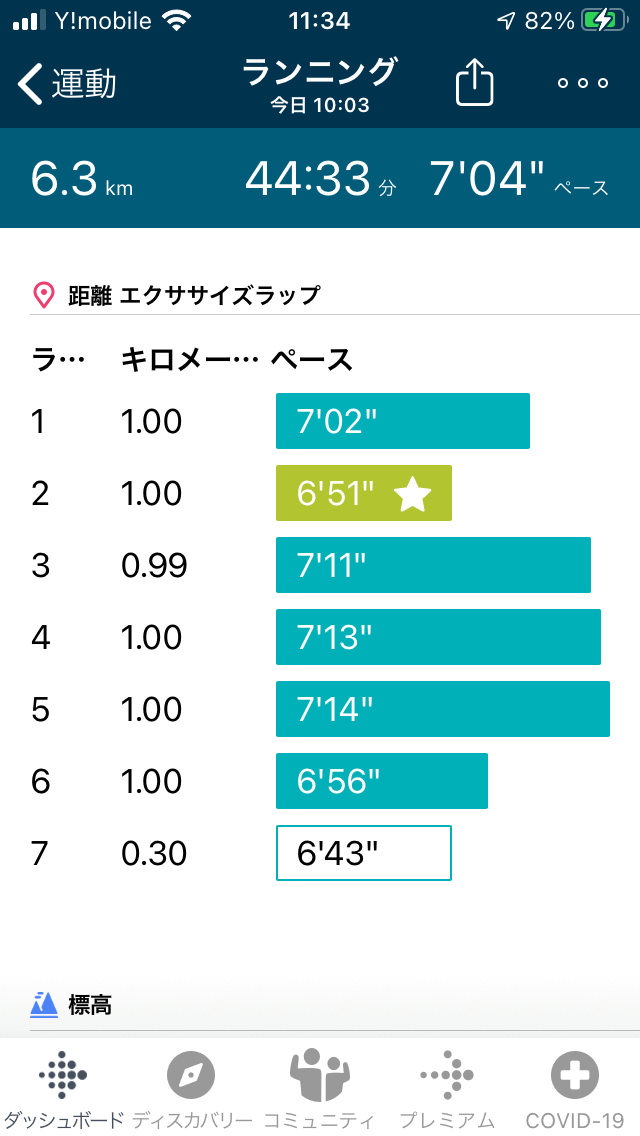
今朝も公園を一周強(6.3km、7.04分/kmペース)と
午後は、古着を買い取ってもらった後、のんびり2時間ほどの散歩と20分ヨガ。

There are many 4-Kanji-character phrases called Yojijukugo in Japan. We have 4 clear-cut seasons and thus seasons are sometimes used for Yojijukugo. One of them is "Ichiyouraifuku" which refers to "the winter solstice." It also means that spring comes back after the cold of winter, or the situation will be better after a period of gloom.
Everyone in the world right now wishes "Ichiyouraifuku." I really hope the pandemic will be over ASAP!
Mt. Fuji in the sunset yesterday (the winter solstice) was so impressive as usual. It always looks calm and dignified.
Today's exercise:
jogging(6.3km at a pace of 7.04min/km)+2-hour walking+20min-yoga
